
Is your lab still using bulky, fixed traditional furniture? It’s time to consider an upgrade. Modular lab furniture is becoming the preferred choice for modern lab design. This article will provide an in-depth analysis of the true costs and long-term benefits of switching from traditional to modular solutions.
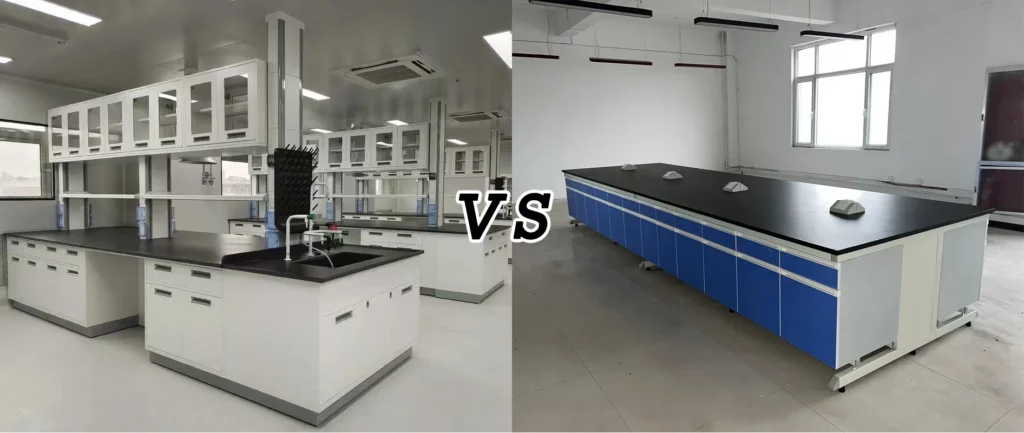
I. Modular Lab Furniture vs. Traditional Furniture
(I) Fundamental Differences
- What is Traditional Lab Furniture?
- Traditional furniture is typically fixed in place, offering greater stability but potentially limiting future renovations. Once installed, it is difficult to move or alter.
- What is Modular Lab Furniture?
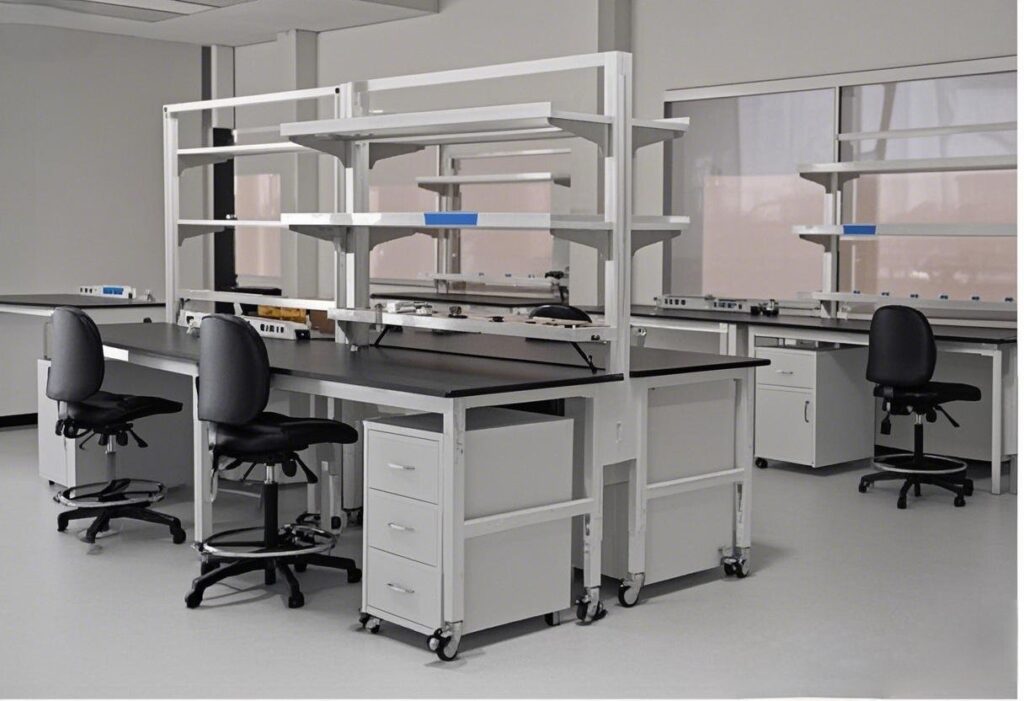
- Modular furniture consists of standardized components. Mobile workbenches, illuminated overhead cabinets, adjustable reagent shelves, and sinks can be freely combined. It is designed for flexibility and adaptability.
(2) Safety and Efficiency Comparison
- Chemical Resistance
- Modular furniture utilizes chemical-resistant materials (e.g., phenolic resin, powder-coated galvanized steel), offering superior resistance to chemical corrosion.
- Traditional wooden furniture or metals with low chemical resistance are more susceptible to damage during chemical spil
- Ergonomics
- Modular workbenches feature adjustable heights. Researchers can customize settings for sitting or standing work.
- Fixed-height traditional furniture may cause fatigue or repetitive strain injuries during prolonged use.
- Modular Configuration & Hazard Segregation
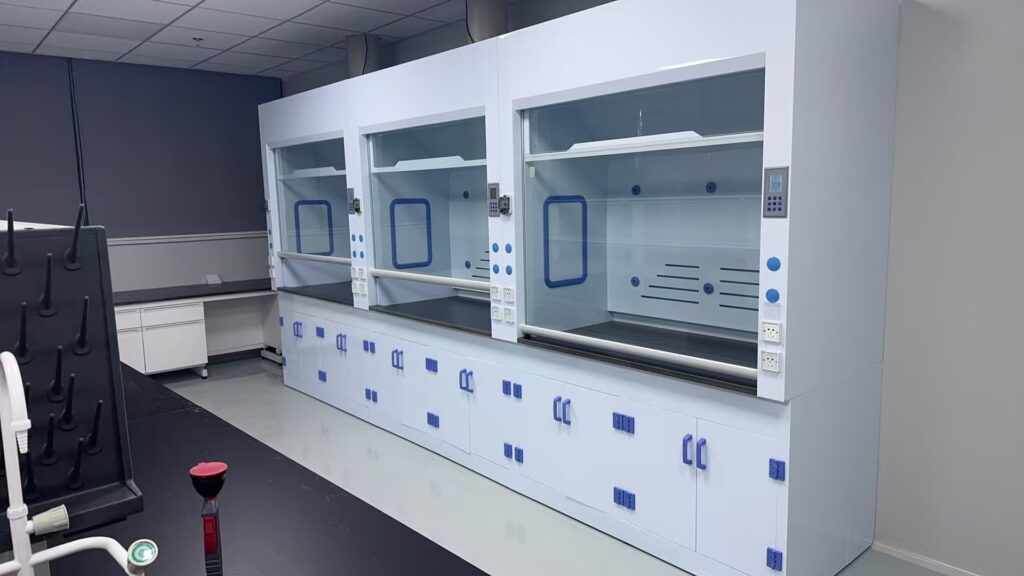
- Modular design facilitates integration of fume hoods, storage cabinets, and lighting systems, enhancing chemical lab safety.
- Rearrangeable modules enable clearer segregation of hazardous material storage, clean zones, and work areas.
- Movable modules minimize obstructions, ensuring clear emergency access routes.
- Space Utilization and Layout Flexibility
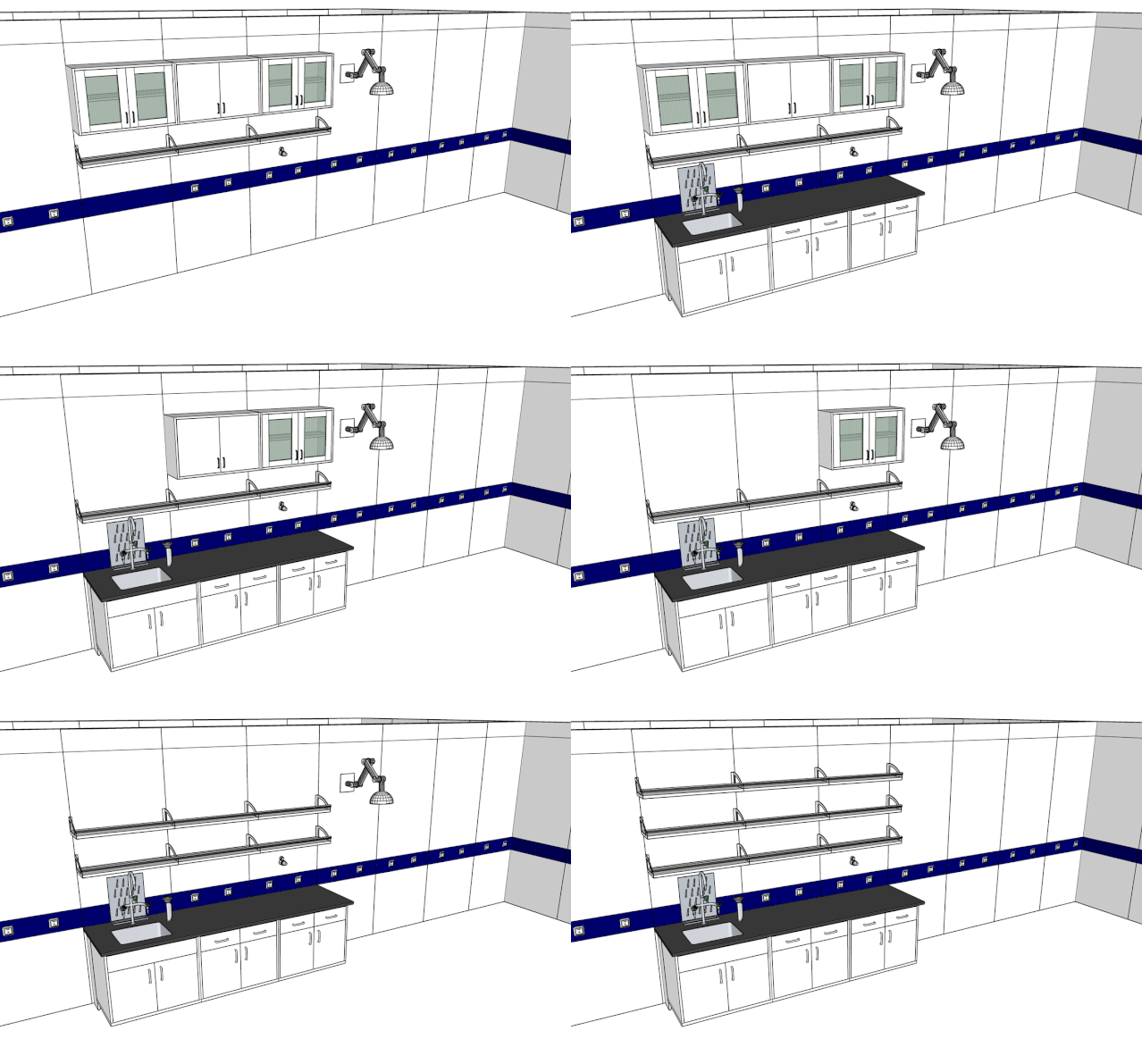
- Modular furniture adapts to experimental needs: tables, shelves, and storage units can be reconfigured.
- Mobile modules (e.g., castered tables) can be easily repositioned to accommodate varying research tasks.
- Traditional furniture, once fixed in place, is difficult and costly to modify.
(3) Sustainability and Environmental Protection
- Modular furniture supports disassembly and reconfiguration, reducing overall waste.
- Modular systems using durable and eco-friendly materials offer extended lifespans.
- Frequent modifications to traditional furniture may result in greater resource wastage.
II. Cost-Benefit Analysis
1. Initial Investment: The Tangible Cost
The upfront price of a modular system may exceed that of traditional furniture. This often presents the first hurdle for decision-makers.
But remember: you’re not merely purchasing furniture. You’re investing in lab infrastructure that evolves over time. The higher initial outlay yields decades of flexibility and savings.
2. Long-Term Savings: The Unseen Benefits
This is where modular systems truly shine. Their cost-effectiveness is evident throughout the entire lifecycle.
- Unmatched Flexibility
- Research projects and teams are constantly evolving. Modular furniture can be easily reconfigured to accommodate new requirements. No need for costly and time-consuming renovations with every change.
- Significantly Reduced Relocation and Renovation Costs
- When laboratories expand or relocate, modular furniture is nearly 100% reusable. Traditional furniture is often discarded, incurring high demolition and replacement costs.
- Enhanced Space Utilization
- Modular design maximizes every inch of space. You can effortlessly adjust layouts to optimize workflows, directly boosting researchers’ productivity and collaboration.
- Easy Maintenance and Upgrades
- If a component breaks, simply replace that specific part—no need to replace the entire lab workbench. This significantly reduces long-term maintenance costs and downtime.
(3) Beyond Monetary Value: Intangible Returns
Cost-benefit analysis extends beyond monetary considerations. Modular lab furniture upgrades also deliver significant intangible value.
- Enhanced Safety: Modern modular systems integrate cables, plumbing, and ventilation more effectively. This reduces clutter and minimizes safety hazards.
- Supports Sustainability: Reusing furniture reduces waste. This aligns with green lab environmental initiatives.
- Boosts Employee Morale: A modern, adaptable work environment helps attract and retain top talent.
III. Examples of Modular Furniture
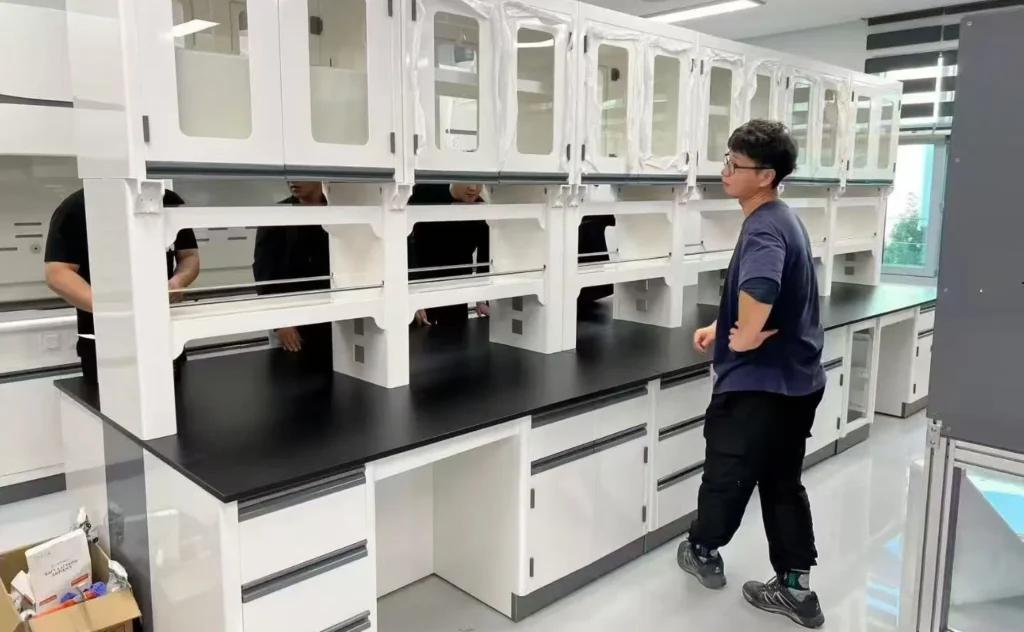
Below are several common modular lab furniture products showcasing their flexibility and value:
- Dental Clinic Modular Workbench (Phenolic Resin Countertop): Sturdy, highly chemical-resistant, with adjustable shelves. Features a drawer system, overhead cabinet storage, lighting, and power outlets.
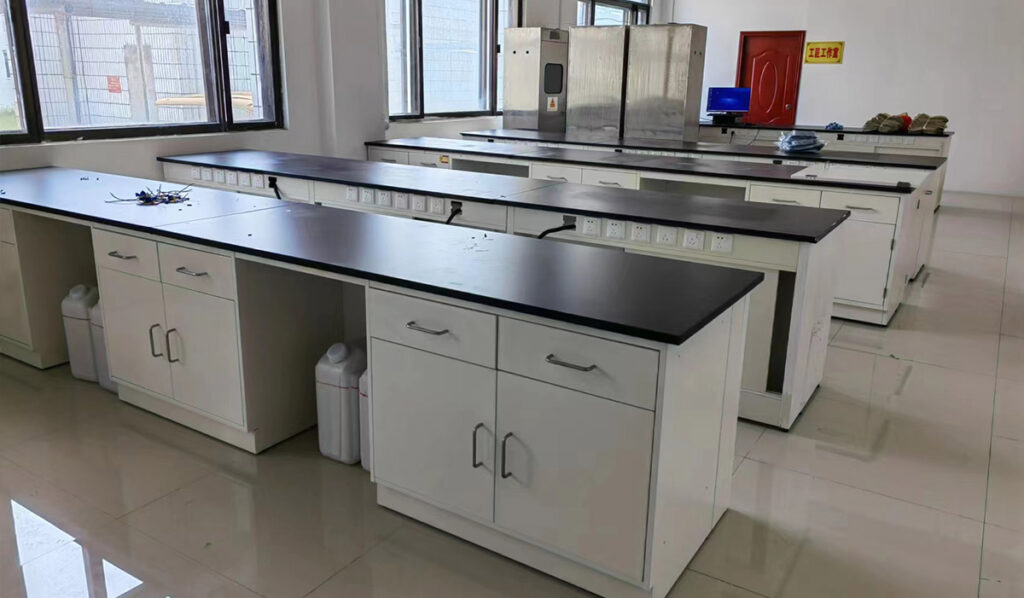
- Modular Island Workstation (Phenolic Resin Countertop): Multi-user collaborative island layout with standardized modules for easy expansion.
IV. Modular Furniture Examples
- Initial procurement costs may still exceed those of certain low-end traditional furniture.
- Reliable suppliers must be selected to ensure module quality and compatibility.
- Although modular lab furniture can be reconfigured quickly, professional planning and design remain crucial.
- If no modifications are anticipated for years, the full potential of modularity may not be realized.
Conclusion: A Wise Long-Term Investment
Upgrading your lab from traditional furniture to a modular system is a strategic decision. While the initial cost is higher, the long-term savings potential is substantial.
When considering flexibility, scalability, and total cost of ownership, modular lab furniture solutions are undoubtedly the more cost-effective choice. They enable your lab to be future-ready, prepared to embrace the next scientific breakthrough.

Interesting article – the comparison of costs between modular and traditional furniture is really helpful to consider. I was actually researching similar topics and found some related insights on https://tinyfun.io/game/obby-roads.