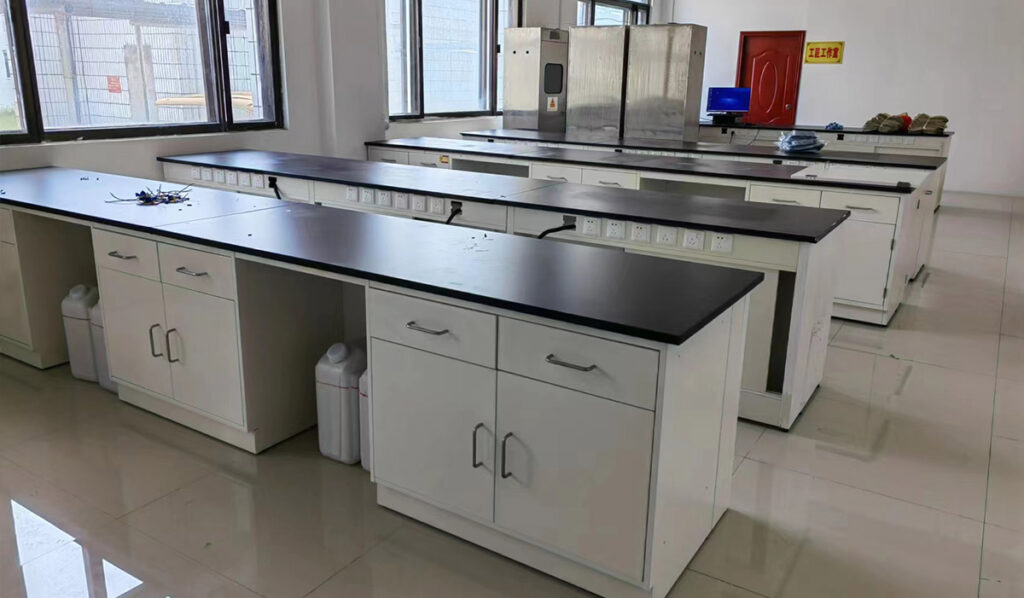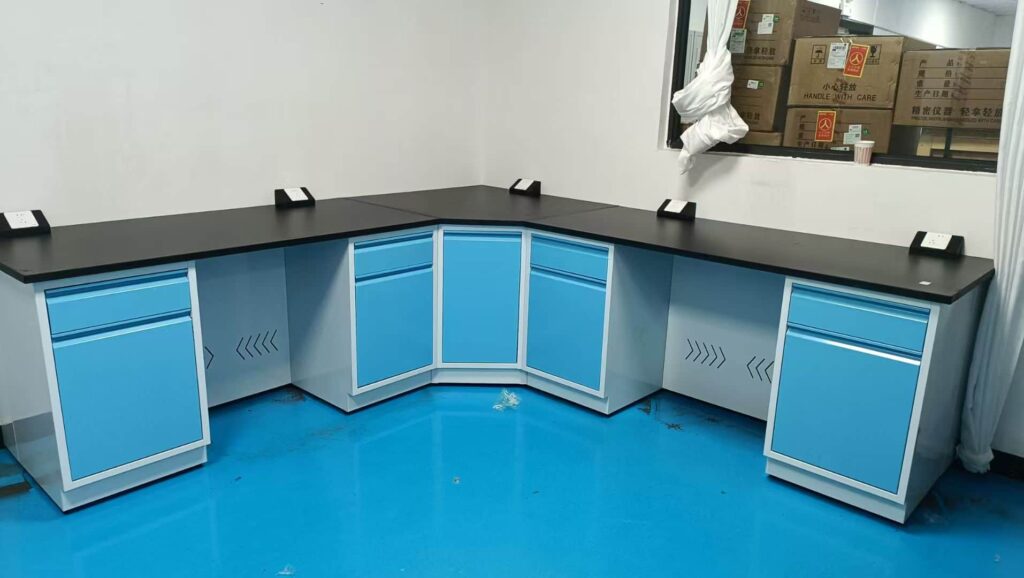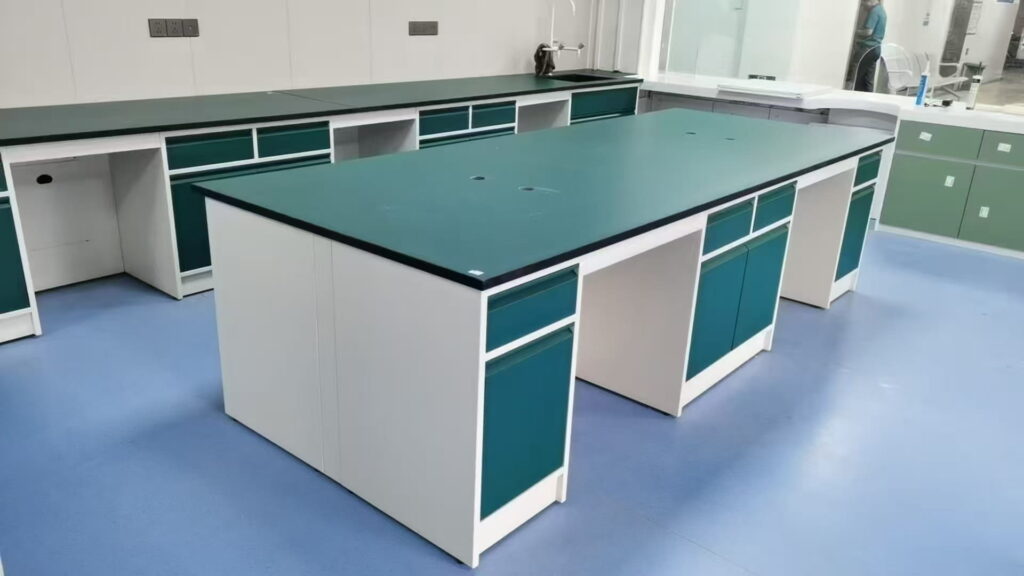
Spring creates severe hidden risks for facilities storing hazardous chemicals. Temperatures rise rapidly, increasing the vapor pressure of volatile chemicals. Low air humidity significantly boosts static electricity accumulation. Frequent strong winds increase the risk of external ignition sources. Holiday staff rotation also creates management gaps in daily chemical supervision.
Industry statistics show that 67% of hazardous chemical incidents during spring holiday periods stem directly from improper storage management. Investing in compliant hazardous chemical storage cabinets and standardized storage protocols is the most effective way to prevent fire, leakage, explosion and toxic vapor release.
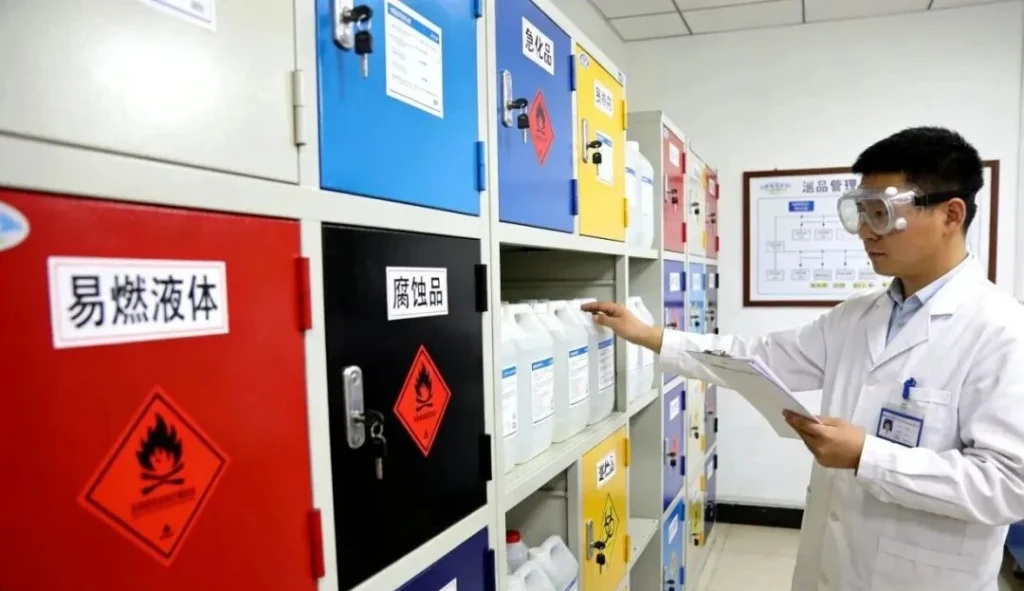
Key Spring Hazards for Hazardous Chemical Storage
Before evaluating your storage system, identify four seasonal risks that threaten laboratories, factories and chemical warehouses:
- High vapor concentration
- Rising spring temperatures accelerate solvent volatilization. Without sealed, ventilated hazardous chemical storage cabinets, flammable vapors easily reach explosive concentration limits.
- Static ignition risk
- Dry spring air reduces surface conductivity. Chemical transferring, container friction and poor grounding generate static sparks, one of the top causes of solvent fire accidents.
- Increased external fire sources
- Outdoor burning, wind-blown debris and hot work expand ignition risks around storage zones.
- Management loopholes during holidays
- Insufficient patrols, temporary shift staff and neglected routine inspections amplify hidden dangers.
Many facilities rely on ordinary shelves for chemical placement. This practice violates OSHA, NFPA and EN standards. Only classified hazardous chemical storage cabinets provide physical isolation, fire resistance and spill containment. Proper cabinet positioning and aisle clearance are critical to meet global layout codes; you can review standardized lab dimension rules in our Lab Space Design Guide: Layout Standards & Safety.
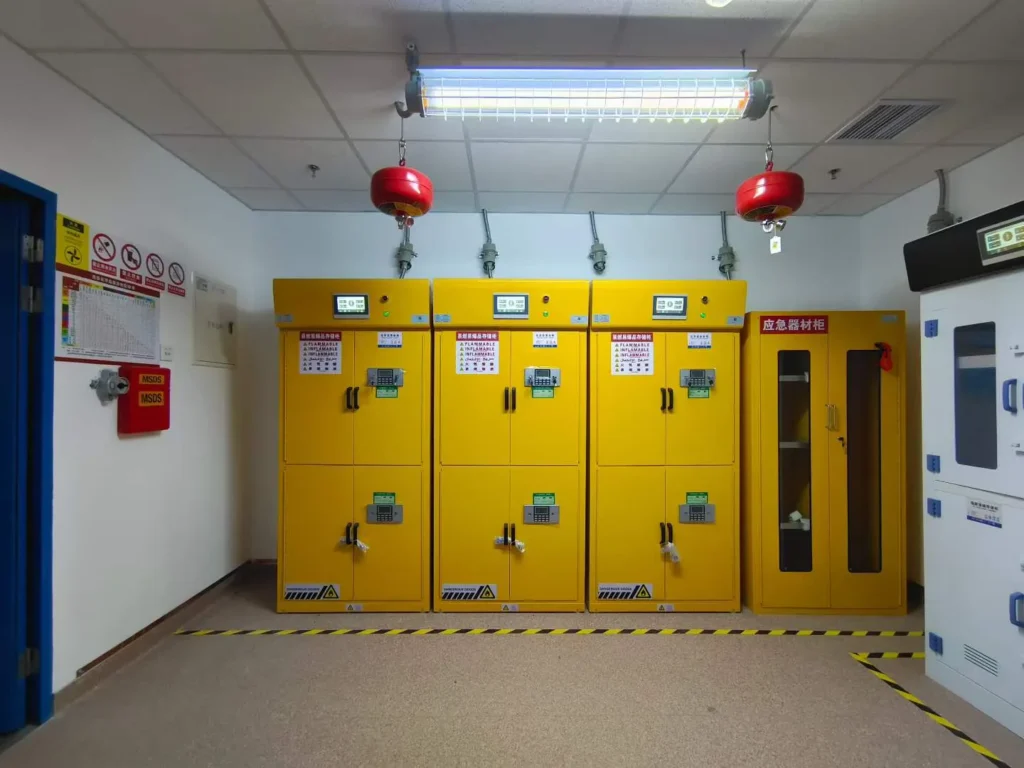
Global Standards You Must Follow for Hazardous Chemical Storage Cabinets
When selecting hazardous chemical storage cabinets, compliance with international standards determines whether your facility passes EHS audits. Lab-WB designs all storage solutions aligned with these mainstream specifications:
- NFPA 30 (USA): Standard for Flammable and Combustible Liquids, defines cabinet fire resistance, maximum storage volume and vent layout.
- OSHA 29 CFR 1910.106: Mandatory rules for flammable liquid storage, static grounding and segregation of incompatible substances.
- EN 14470-1 (EU): European fire-resistant storage cabinet standard, required for CE marking and REACH compliance.
- UL 1275 / FM 6050: Third-party certification benchmarks for flammable hazardous chemical storage cabinets.
- AS 1940 (Australia): Standard for storage and handling of flammable liquids.
- GHS: Global Harmonized System for labeling all chemical containers and safety cabinets.
Core standard requirement: Incompatible chemicals (acids & alkalis, oxidizers & reducers) cannot share one storage cabinet. Each hazard category needs independent hazardous chemical storage cabinets.
If you are building a new lab or renovating existing chemical storage areas from scratch, our full planning manual walks you through every layout, safety and equipment decision: Lab Planning: From 0 to 1, A Guide to Designing a New Lab.
10-Point Safety Self-Check for Your Chemical Storage System
You can finish this 3-minute audit to score your on-site storage management, based on global EHS inspection criteria.
Basic Management (2 points per question)
- Are all chemical containers fitted with complete, clear GHS labels without fading or damage?
- Do you separate acids, bases, oxidizers and reducing agents following chemical compatibility rules in independent hazardous chemical storage cabinets?
- Are SDS documents complete and accessible near the storage zone?
Facility & Storage Cabinets (3 points per question)
- Is the storage area equipped with explosion-proof lighting, switches and static elimination facilities?
- Are flammable materials placed inside certified hazardous chemical storage cabinets, away from heat sources and open flame?
- Are safety cabinets reliably grounded, and ventilation systems kept functional?
On-site Control (3 points per question)
- Is the maximum storage quantity marked clearly, and is the actual stock never exceeding limits specified by NFPA 30?
- Are spill response kits (absorbent pads, containment buckets) matched to stored chemicals?
- Are fire extinguishers within validity periods, with clear and unblocked emergency passages?
Special Hazard Control (4 points per question)
- Do water-reactive, self-heating substances and strong oxidizers occupy dedicated, independent hazardous chemical storage cabinets?
Scoring Standard
✅ 35–40 Points: Safety Standard. Maintain protocols; strengthen emergency training for holiday shift staff.
⚠️ 25–34 Points: Improvement Required. Rectify fire prevention, leak control and staff training before peak-risk seasons.
❌ Below 25 Points: High Risk Alert. Full inspection urgently. Focus on mixed storage and overloading of hazardous chemical storage cabinets.
Red Alert & Yellow Warning Common Violations
Many accidents arise from underestimated cabinet misuse. Rectify these risks immediately:
Red Alert – Immediate Rectification Required
❌ Storing incompatible chemicals inside the same hazardous chemical storage cabinets
❌ Using safety cabinets as general storage for sundries
❌ Missing or expired spill emergency supplies
❌ Non-explosion-proof electrical equipment inside or adjacent to storage zones
Yellow Warning – Rectify Within Limited Time
⚠️ Accumulated liquid left uncleaned inside the cabinet spill sump trays
⚠️ Loose, rusted static grounding cables on hazardous chemical storage cabinets
⚠️ Operators unfamiliar with chemical hazards listed in the SDS
⚠️ Overdue filter elements on cabinet ventilation systems
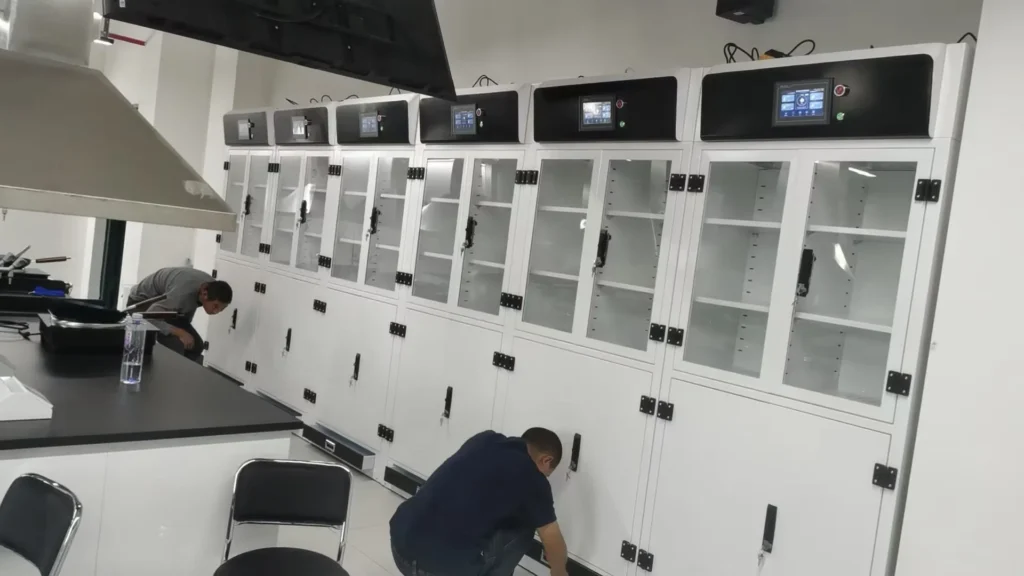
Complete Range of Hazardous Chemical Storage Cabinets from Lab-WB
Lab-WB provides full-series compliant hazardous chemical storage cabinets customized for labs, pharmaceutical factories, electronics manufacturing and chemical plants. All cabinets meet international fire and anti-corrosion standards.
- General Safety Storage Cabinets
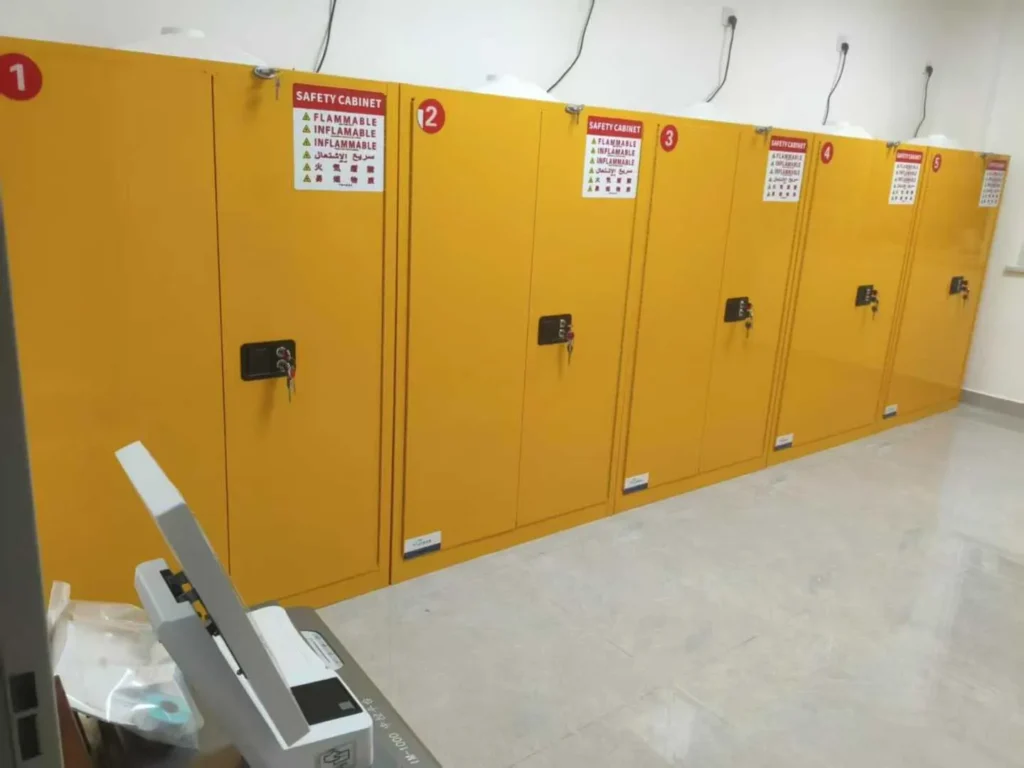
- Color-coded classification: Yellow for flammables, blue for weak corrosives, red for combustible materials. Double steel plate construction with 1–2 hour fire resistance, built-in spill containment basin holding ≥10% of total stored liquid volume. Explore our full steel cabinet lineup at Laboratory Cabinets.
- Strong Acid & Alkali Storage Cabinets
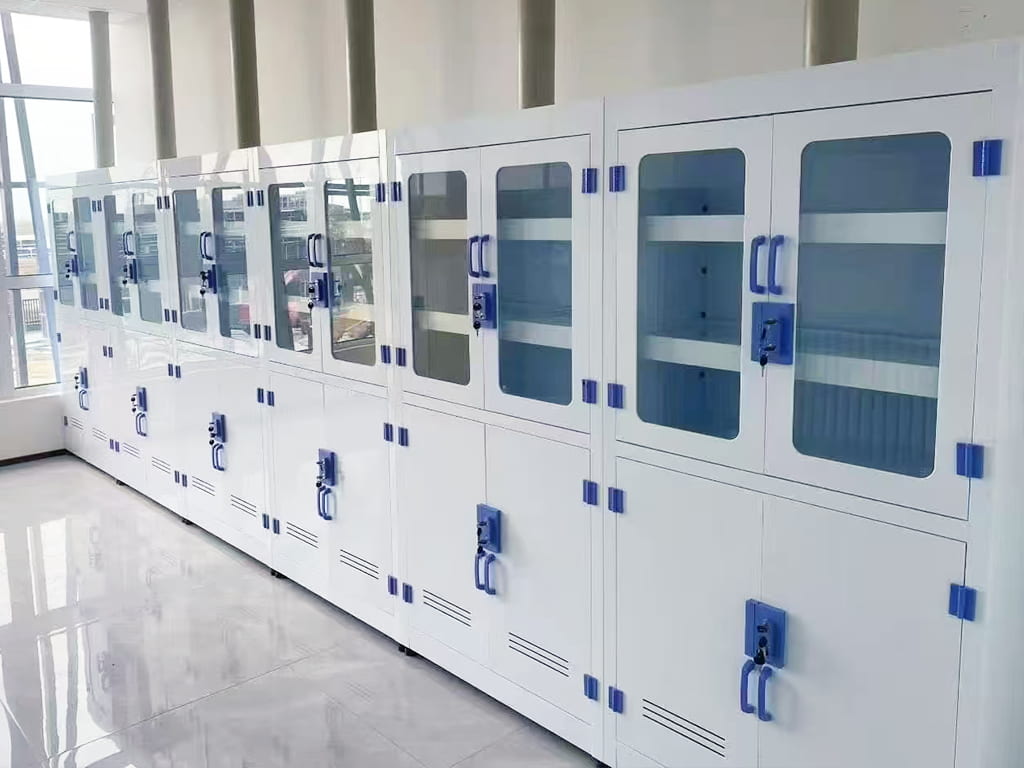
- Ordinary steel cabinets degrade quickly under continuous exposure to strong corrosive acids and bases. Our fully polypropylene solutions deliver long-term leak-proof, corrosion-free storage: Corrosion-Resistant Polypropylene PP Storage Cabinet.
- Flammable & Toxic Substance Storage Cabinets
- Outer steel inner PP composite structure, excellent fire resistance, explosion-proof ventilation and mobile support legs.
- Filtered Ductless Storage Cabinets
- No external piping needed. High-efficiency filters treat volatile gas emissions, eco-friendly and easy installation for laboratories without dedicated exhaust ductwork.
- Intelligent Integrated Chemical Storage Cabinets
- Built-in IoT monitoring system tracking cabinet VOC concentration, temperature and humidity. Push real-time abnormal alarms to managers’ mobile phones. Electronic access records support traceable chemical management, ideal for sites with many varieties and small-dose reagents.
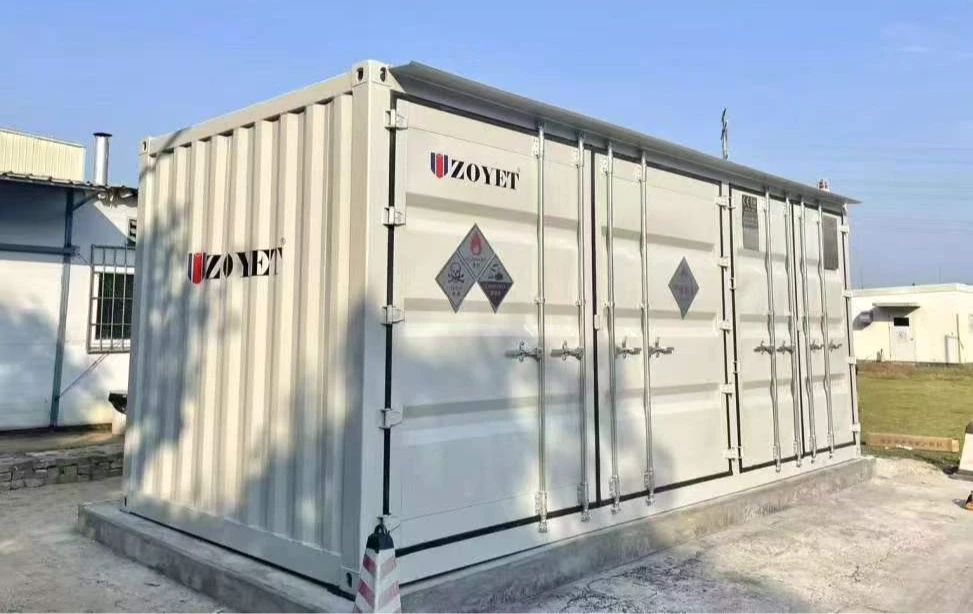
- Outdoor Temporary Hazardous Chemical Storage Cabinets
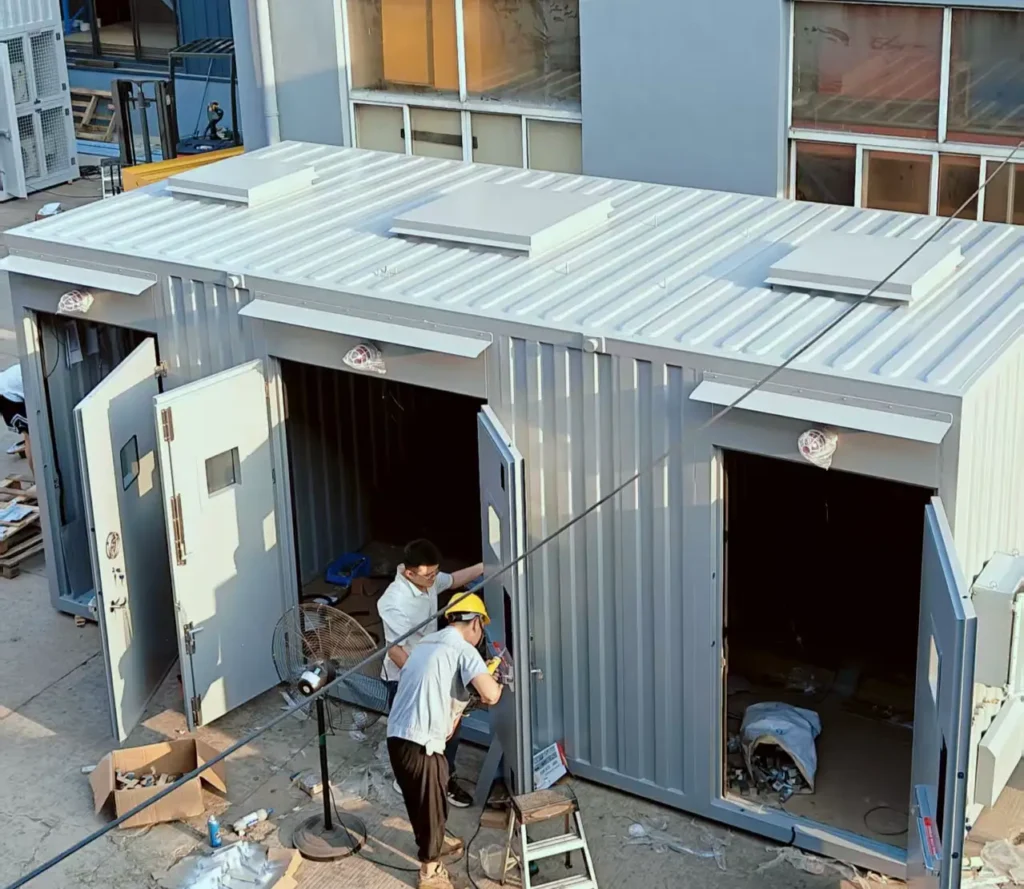
- Integrated all-in-one outdoor storage unit: fire protection, anti-theft, rainproof, lightning & static protection, leakage collection, emergency shower, remote monitoring and automatic alarm. Suitable for outdoor workshop chemical temporary storage.
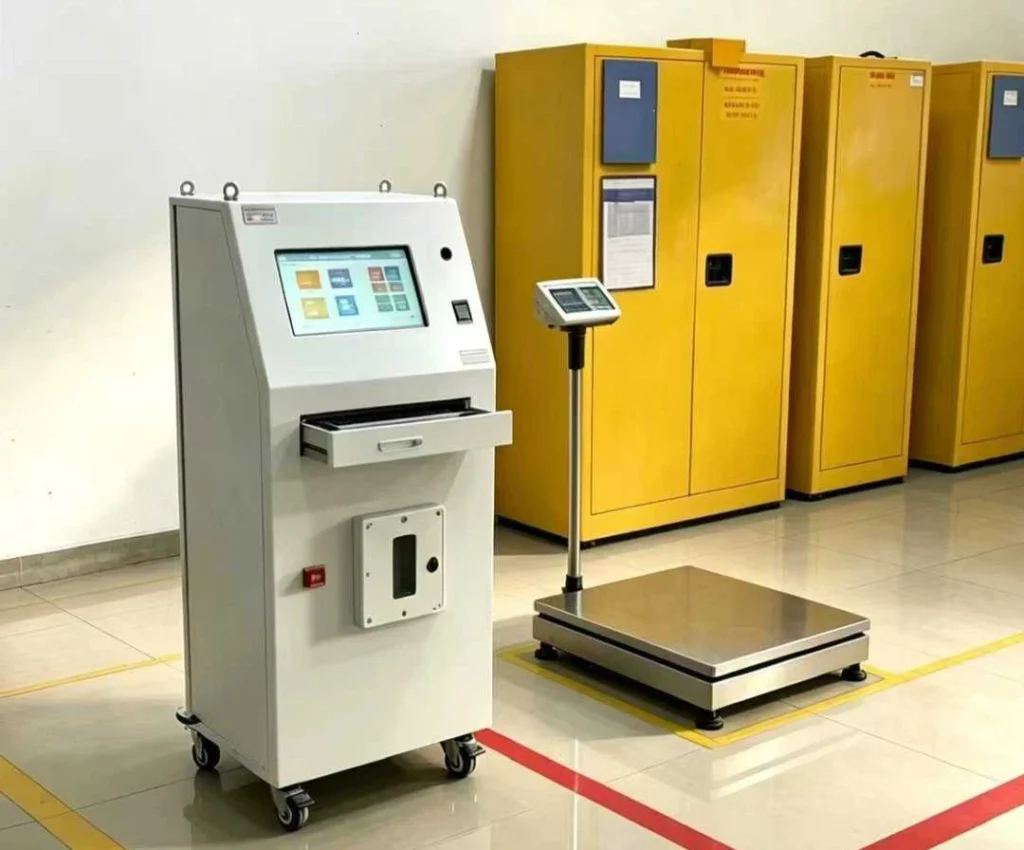
- RFID Scanning Smart Storage Cabinets
- Automated chemical access recording, inventory management, preventing unauthorized access to controlled hazardous materials.
Spring Special Safety Tips for Hazardous Chemical Storage Cabinets
To counteract seasonal risks, follow these operational rules for your hazardous chemical storage cabinets:
Fire Prevention
- Clear all combustibles within 2 meters surrounding hazardous chemical storage cabinets.
- Check surrounding areas for outdoor open burning points during holidays.
- Increase night patrol frequency for chemical storage zones.
Static Electricity Control
- Activate humidifying equipment when ambient humidity falls below 40%.
- Ensure all operators wear anti-static uniforms and shoes.
- Confirm every hazardous chemical storage cabinet maintains effective static grounding during material transfer.
Holiday Management
- Define emergency responsibilities for on-duty staff. Post emergency contact information visibly beside hazardous chemical storage cabinets.
- Inspect CCTV coverage to monitor all key storage areas 24/7.
- Lock all hazardous chemical storage cabinets when unattended.
Final Words
Hazardous chemical safety is built on daily standardized storage. Seasonal temperature fluctuations turn minor management defects into catastrophic accidents. Compliant hazardous chemical storage cabinets are not optional equipment, but mandatory infrastructure to meet NFPA, OSHA and EU standards.
If you need cabinet layout planning, specification selection or compliance consultation, contact the Lab-WB technical team to customize a full chemical storage solution matching your site’s hazard classification and storage volume. Visit our official site to browse all lab furniture and safety storage products: Lab-WB Homepage.